


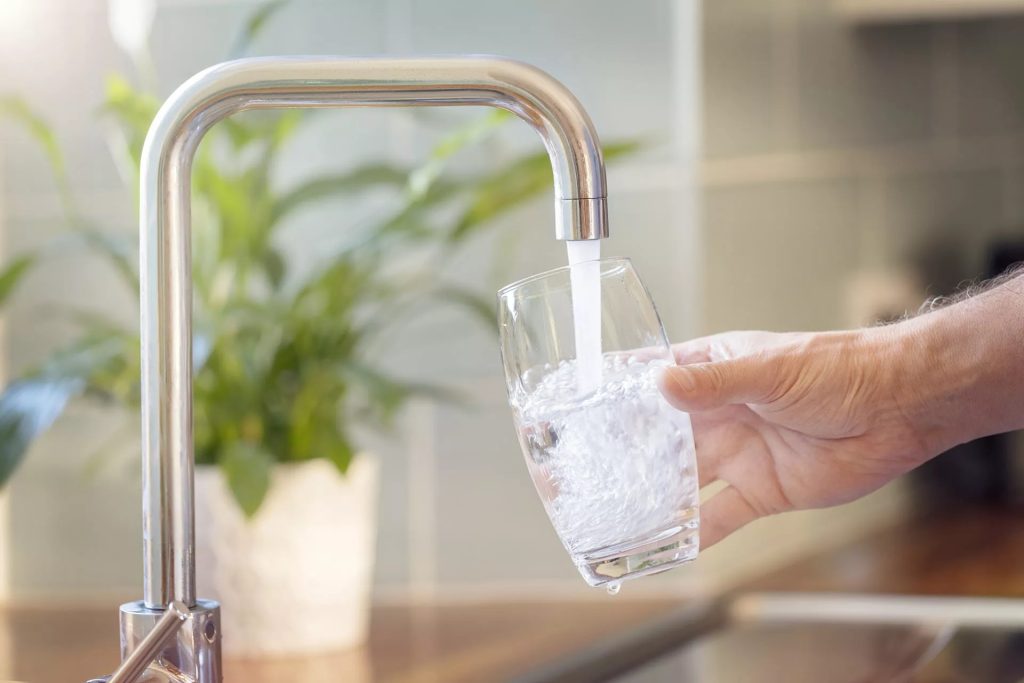
Purifying water to make it safe for drinking and other uses is one of the most important innovations of mankind. Water purifiers are not just for dealing with high salinity or TDS. Today, with the increasing expansion of industries, industrial and chemical contaminants have entered our drinking water. Without the ability to purify water from microbes, chemicals, and other contaminants, we would face widespread outbreaks of serious diseases such as cholera, typhoid, dysentery, and hepatitis. Over thousands of years, water purification methods have evolved with the introduction of new technologies to remove a wider range of contaminants. This article examines how drinking water purification developed and highlights key milestones that have shaped modern municipal and household water purification systems.
Early history of water purification
Water purification in ancient civilizations
Some of the earliest evidence of water purification comes from ancient Greek and Sanskrit writings, which described techniques such as boiling, filtration through charcoal, exposing water to sunlight, and straining water through cloth.
- Boiling : Heating water to a high temperature kills harmful bacteria and pathogens, making the water safe to drink.
- Filtration : Passing water through materials such as sand, cloth, or charcoal helps remove impurities and particles.
- Settling : Putting water in a container causes heavier particles to settle to the bottom of the container, leaving clearer water on top.
- Chemical purification : Using natural substances such as alum or copper sulfate, ancient civilizations added these substances to water to settle and purify impurities.
These primitive methods helped remove bacteria, parasites, and larger particles from drinking water. By placing the water in large containers, heavier contaminants would settle out.
First use of chlorine
Chlorine was discovered to have disinfectant properties in the 1800s and was first used as a germicidal agent in drinking water supplies in the early 1900s. This advancement in disinfection technology revolutionized the way we treat water and saved us from waterborne diseases like cholera and typhoid.
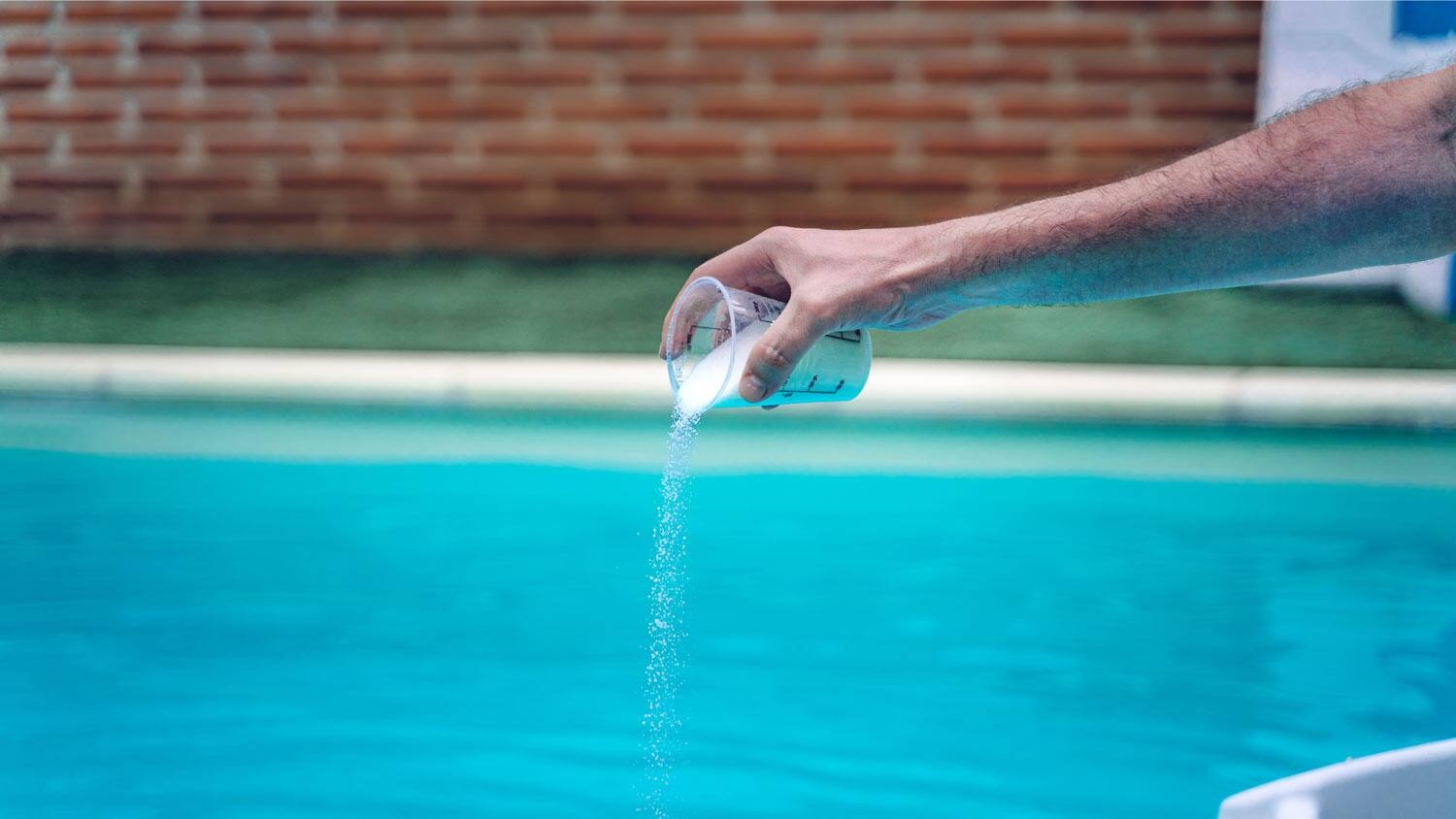
Adding chlorine to water
Four main reasons for using chlorine in water purification :
- Effective disinfection : Chlorine kills harmful bacteria, viruses, and parasites that can cause diseases such as cholera and typhoid.
- Long-term protection : Chlorine can destroy any microorganisms present during water transport by creating lasting effects in the water.
- Cost-effective : Chlorine is a cheap disinfectant that is cost-effective for large-scale water purification.
- Public trust : Chlorine has been used for over a century, and public trust has been built in its ability to provide safe drinking water.
Advances in filtration technology
Sand filters in the 1800s
By the late 1800s, sand filters that processed large volumes of water became common technology in municipal treatment systems. Thick layers of sand effectively removed parasites and microorganisms.
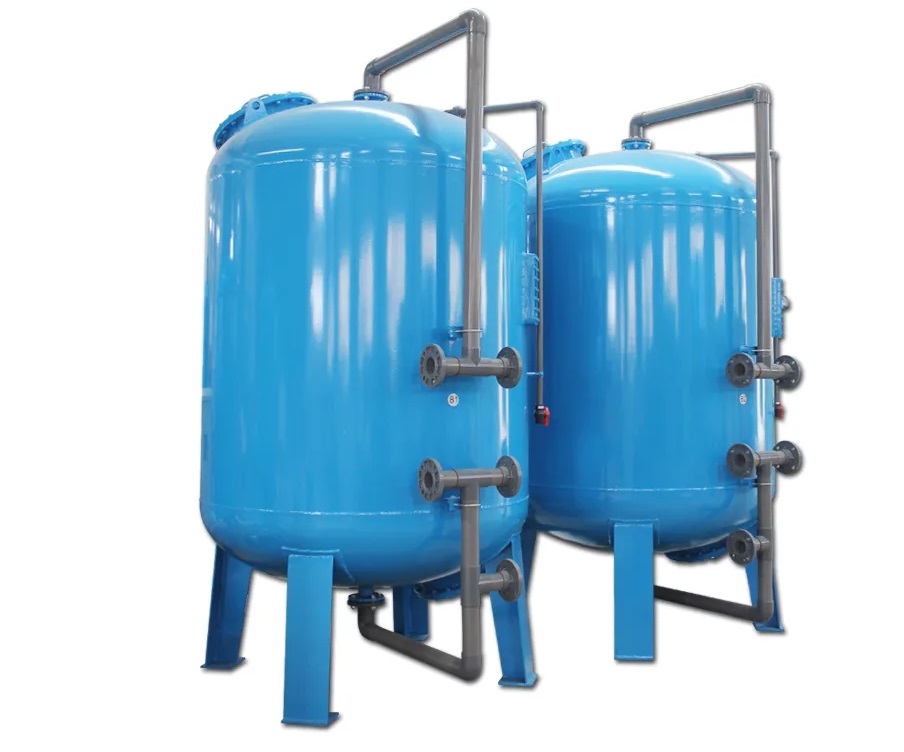
Four reasons why sand filters are successful :
- Simple but powerful : The sand filtration process involves passing water through layers of sand, which effectively removes impurities and contaminants.
- Natural filtration : Sand has a natural property that traps particles and bacteria, making it an ideal medium for filtration.
- Low-cost solution : Sand filtration systems were relatively inexpensive and easy to maintain, making them accessible to a wide segment of the population.
- Improve water quality : By removing sediment, sand filters significantly improve the taste and clarity of drinking water, making it safer and more enjoyable to consume.
Activated carbon filters in the 1930.
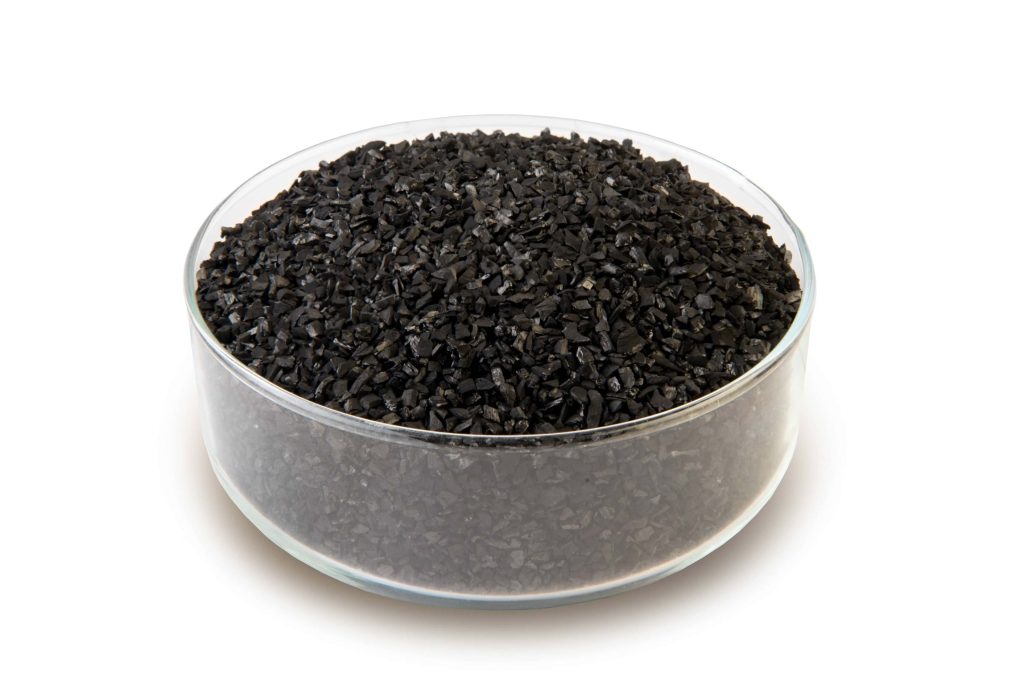
In the 1930s, the introduction of granular activated carbon filtration dramatically improved the ability to remove organic chemical contaminants, colors, and odors. Activated carbon is a highly effective method for removing impurities from drinking water.
Advanced membrane filtration in the 1950s
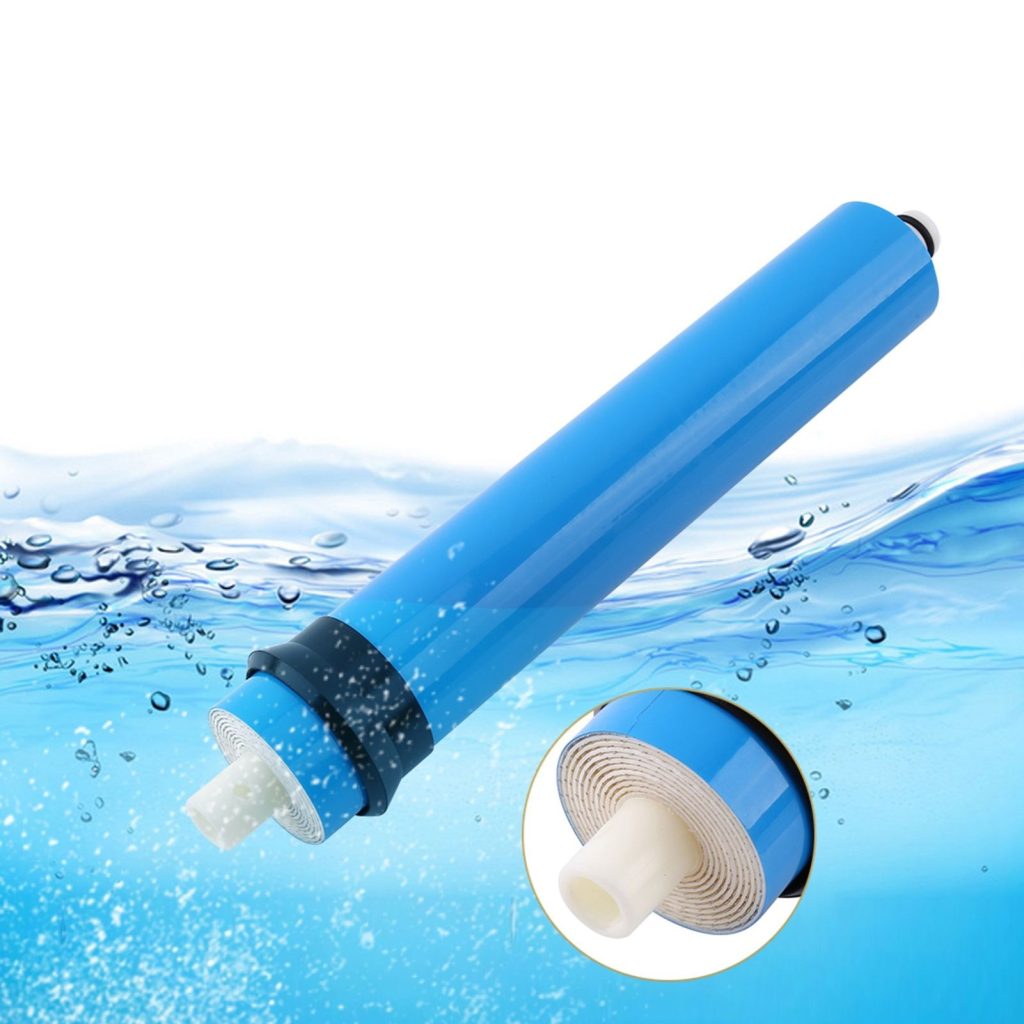
In the 1950s, advanced membrane filtration processes such as reverse osmosis were developed. These membranes, with very small pores, were able to trap even ions and microscopic microorganisms.
Advances in disinfection technology
Although chlorine is still the most widely used water disinfectant in the world,
is, but other alternatives have emerged. Ozone, which is produced from oxygen gas, is a powerful disinfectant that leaves no chemical residue. It has been widely used in the United States and Europe since the 1970s. Ultraviolet (UV) light is also used as an effective method for inactivating pathogens.
Types of current water purification methods
The types of water purification methods include different systems, each with its own advantages and disadvantages. These systems remove specific contaminants from water. As contaminants increase, the need to choose the right water purification system becomes more important.
Introducing 9 types of water purification systems :
- Reverse Osmosis (RO): Removal of inorganic and organic contaminants using a membrane filter. Disadvantages: High water consumption and need for a pump and tank .
- Ultrafiltration (UF): Removes contaminants smaller than 0.01 microns while retaining minerals. Suitable for areas with soft water .
- Mechanical filtration : Physical removal of large particles such as mud and silt. Effective for protecting other filters .
- Ultraviolet (UV) radiation : Destruction of microorganisms using UV light .
- Activated carbon : Removes chlorine and chemicals with unpleasant odors and tastes .
- Ion exchange : Removal of harmful mineral ions such as calcium and magnesium .
- Activated alumina : Removal of fluoride from water .
- Ionization : Removing contaminant ions from water .
- Distillation : Removal of minerals and contaminants through evaporation and distillation .
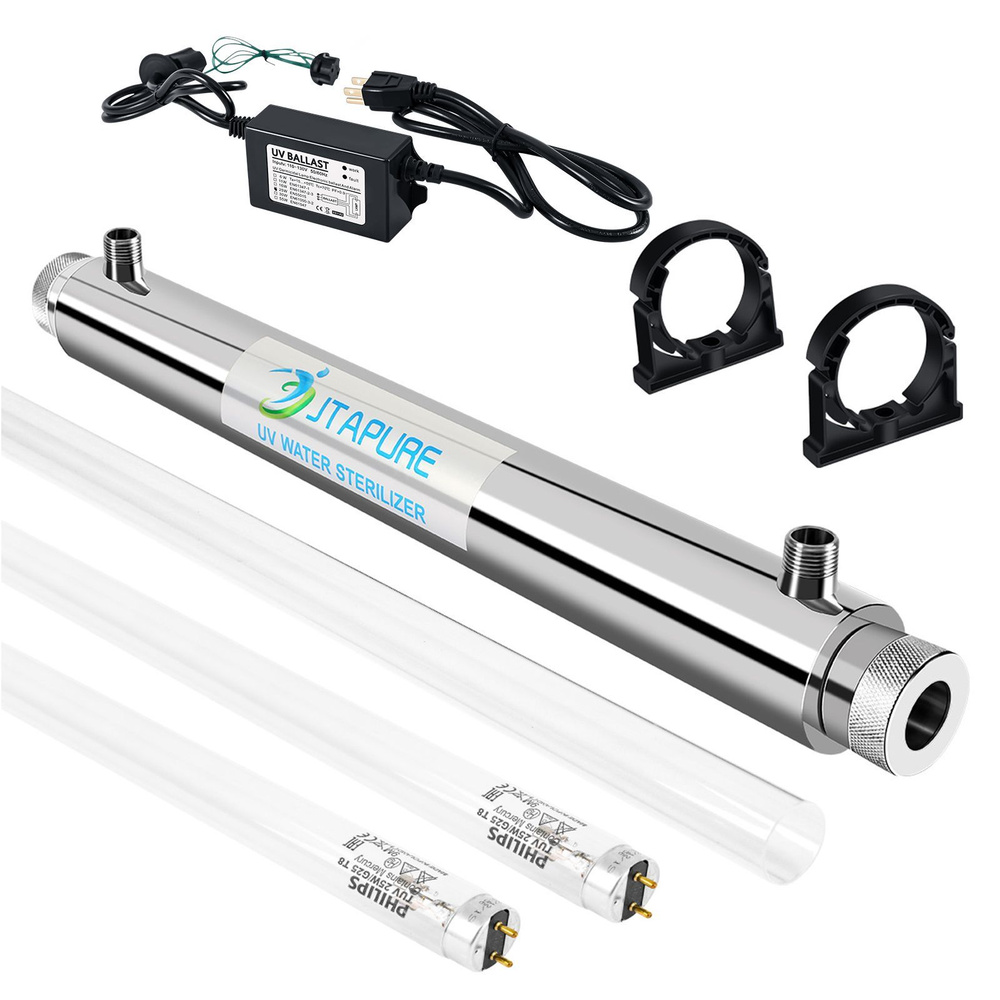
Each of these methods has its own characteristics, and the appropriate system must be selected depending on the needs and type of water.
Improvements in monitoring and testing
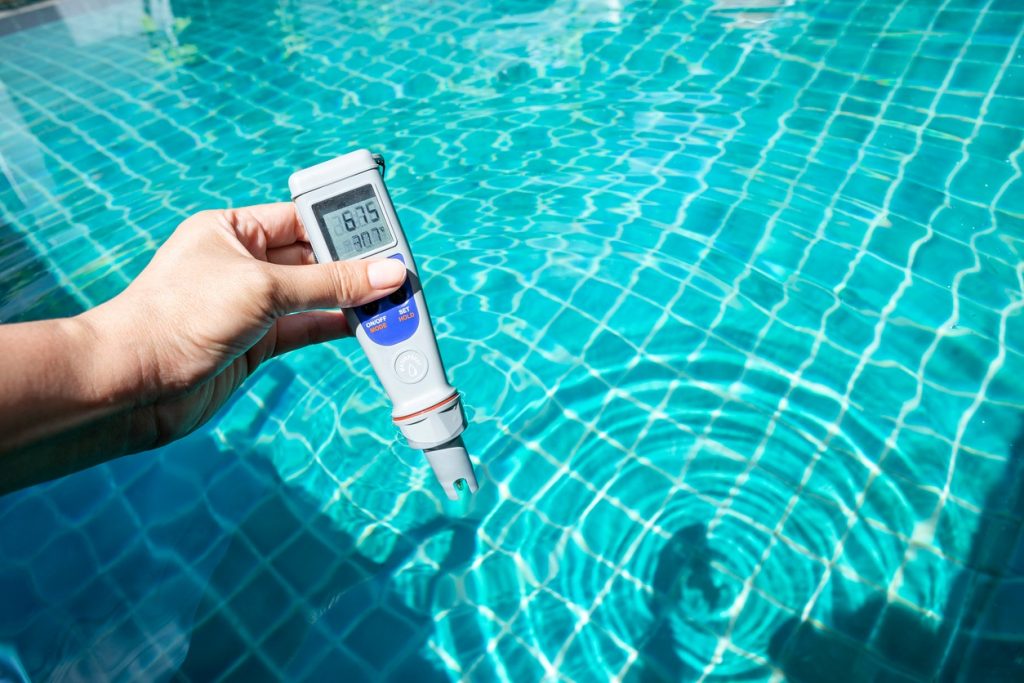
Advances in monitoring and testing have dramatically improved the accuracy and efficiency of ensuring the safety of drinking water. With improved testing methods and automated monitoring systems, we can more effectively identify and monitor contaminants simultaneously and take timely action to protect public and family health.
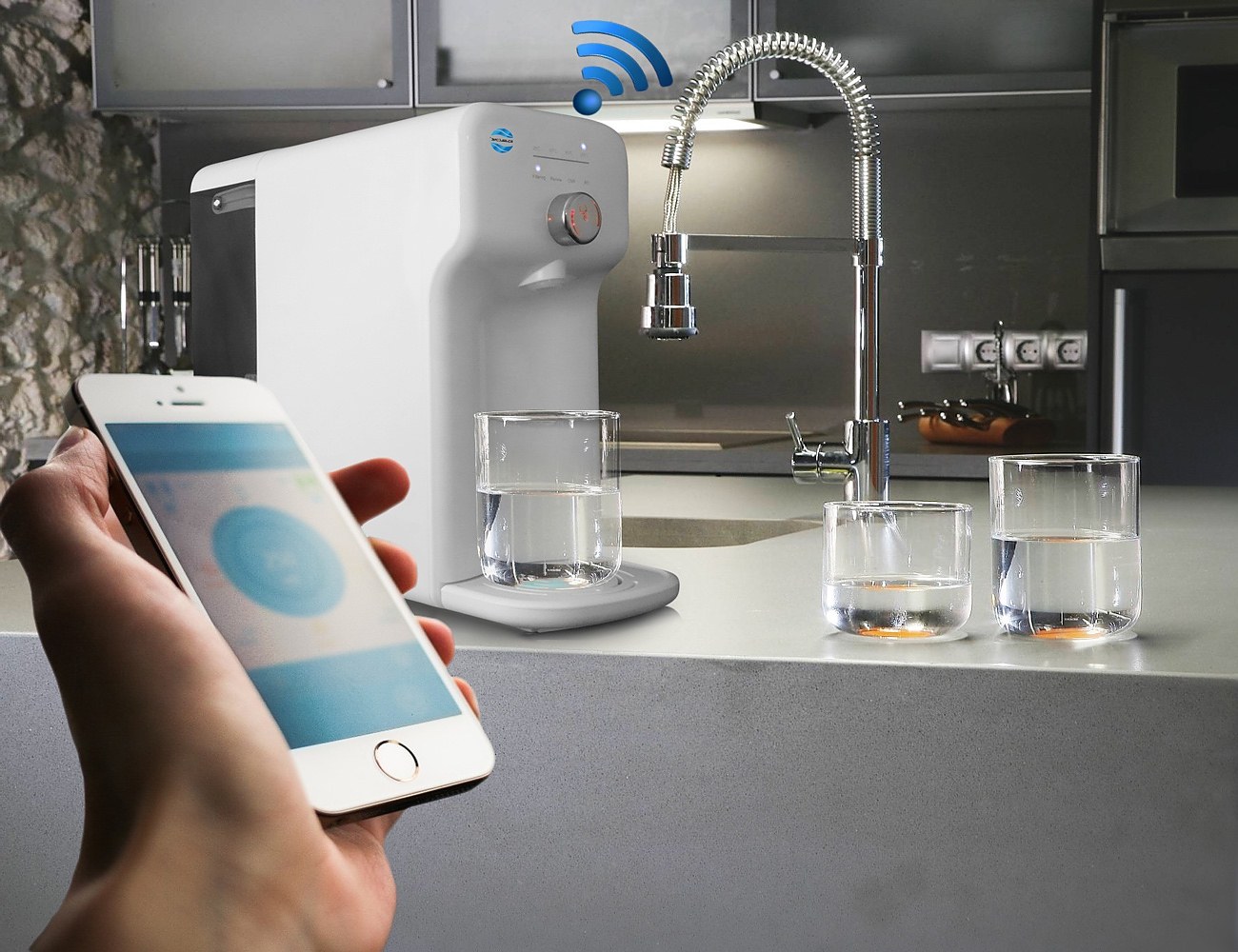
Four key benefits of these developments :
- Higher accuracy : New testing methods have increased the accuracy of water analysis, allowing the detection of even small amounts of contaminants.
- Real-time monitoring : Automated systems continuously collect data on water quality parameters such as pH, turbidity, and chlorine levels.
- Early warning systems : By analyzing trends and patterns in data, these systems can provide early warnings about potential water quality problems.
- Regulatory Compliance : Improved testing methods and monitoring systems help water utilities meet water quality standards set by regulatory agencies.
Frequently Asked Questions
- How has the evolution of water purification affected the taste and smell of drinking water?
Water purification methods and filtration processes have dramatically improved the taste and smell of drinking water. With advances in technology, you can now enjoy clean, fresh-tasting water at home. - How did the early history of water purification differ in different parts of the world?
The history of water purification in different parts of the world is very diverse. Many ancient civilizations used similar techniques, such as boiling and filtration, but there were differences in the details, depending on the environment and available resources. - What types of contaminants are removed by modern water purification systems?
Modern water purification systems can remove a wide range of contaminants, including bacteria, viruses, chemicals, heavy metals, and sediments.
Conclusion
From ancient civilizations that purified water using simple techniques to modern systems that utilize advanced filtration and disinfection, water purification technologies have advanced dramatically. Despite new threats like chemical pollution and climate change, classic methods like filtration and chlorination are still a core part of our defense against waterborne diseases.